Expert Insights: Trends in Business Operations Management


Embracing Digital Transformation
In the rapidly evolving landscape of business operations management, digital transformation continues to be a driving force. Companies are leveraging cutting-edge technologies to streamline processes, enhance productivity, and improve customer experiences. This shift is not just about adopting new tools but also about fostering a culture of innovation and agility.
Automation, in particular, is playing a crucial role. From robotic process automation (RPA) to artificial intelligence (AI), businesses are finding ways to automate repetitive tasks, allowing employees to focus on more strategic activities. This not only boosts efficiency but also helps in reducing operational costs.

Data-Driven Decision Making
With the advent of big data, businesses now have access to an unprecedented amount of information. This data is invaluable for making informed decisions. Companies are investing in advanced analytics tools to interpret data and gain actionable insights. These insights enable organizations to anticipate market trends, understand customer behavior, and optimize operations.
Moreover, predictive analytics is gaining traction. By analyzing historical data, businesses can forecast future outcomes, helping them to make proactive decisions. This ability to predict and prepare is a significant advantage in today’s competitive environment.
Focus on Sustainability
Sustainability is no longer just a buzzword; it is a critical component of business operations management. Companies are recognizing the importance of sustainable practices both for ethical reasons and for long-term viability. This trend includes reducing waste, optimizing energy use, and implementing sustainable supply chain practices.
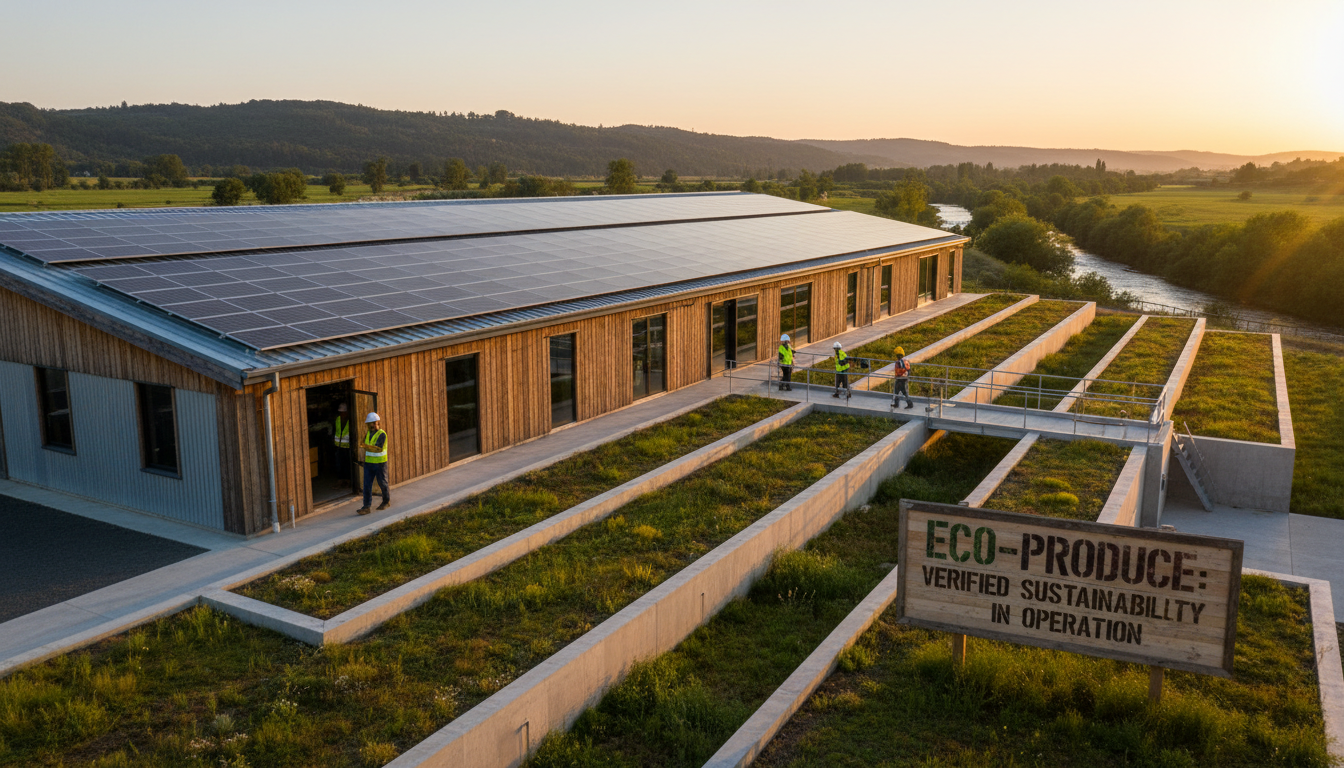
Consumers are increasingly demanding transparency and accountability from the brands they support. As a result, businesses are prioritizing sustainable operations to align with customer values and foster trust.
Adapting to Remote Work
The global shift to remote work has had a profound impact on business operations. Companies have had to adapt quickly, implementing new tools and practices to support remote teams. This trend has accelerated the adoption of cloud-based technologies, collaboration platforms, and cybersecurity measures.
As remote work becomes more permanent, organizations are rethinking their operational strategies to maintain productivity and engagement. Flexible work arrangements, virtual team-building, and digital communication tools are now integral to successful operations management.

The Rise of Agile Methodologies
Agile methodologies, traditionally used in software development, are now being embraced across various business functions. The emphasis on flexibility, collaboration, and customer feedback makes agile practices well-suited for today’s dynamic business environment.
Implementing agile methodologies allows organizations to respond quickly to changes, deliver value faster, and enhance customer satisfaction. This approach fosters a culture of continuous improvement and innovation.
- Improved adaptability to change
- Increased collaboration and transparency
- Enhanced customer focus
Conclusion
The landscape of business operations management is continuously evolving. Embracing digital transformation, leveraging data, prioritizing sustainability, adapting to remote work, and adopting agile methodologies are essential strategies for staying competitive. By keeping an eye on these trends, businesses can navigate the complexities of the modern world and achieve sustainable growth.